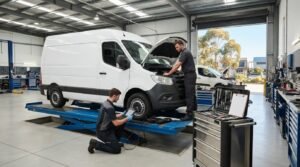
A practical routine for car maintenance to avoid breakdowns combines regular checks with servicing on schedule. Most vehicles should be serviced every six months or in line with the manufacturer’s recommendations. Checking fluid levels, tyres and basic vehicle systems every few weeks can also help keep small issues from becoming roadside problems.
A flat battery, a warning light or brakes that feel different can turn an ordinary drive into an unwanted stop. Regular checks help you catch changes early, before they disrupt your plans.
This guide explains what to check on your battery, dashboard, tyres and brakes, and how to keep up with servicing. Each step is straightforward and helps keep your car ready for the road.
Key Takeaways
- Check battery condition and electrical connections every 3 to 6 months, and watch for signs that it may be weakening.
- Treat warning lights, unusual noises, vibrations and hard starting as cues to investigate, not ignore; if the engine overheats, pull over and let it cool.
- Keep servicing on schedule, usually every six months or as the manufacturer recommends, and check fluid levels regularly.
- Inspect tyre pressure and condition monthly; in Australia, the legal minimum tread depth is 1.5 mm across the entire tyre surface.
- Arrange regular brake checks, and act promptly if you notice grinding, vibration or a soft pedal.
1. Battery health, connections and replacement
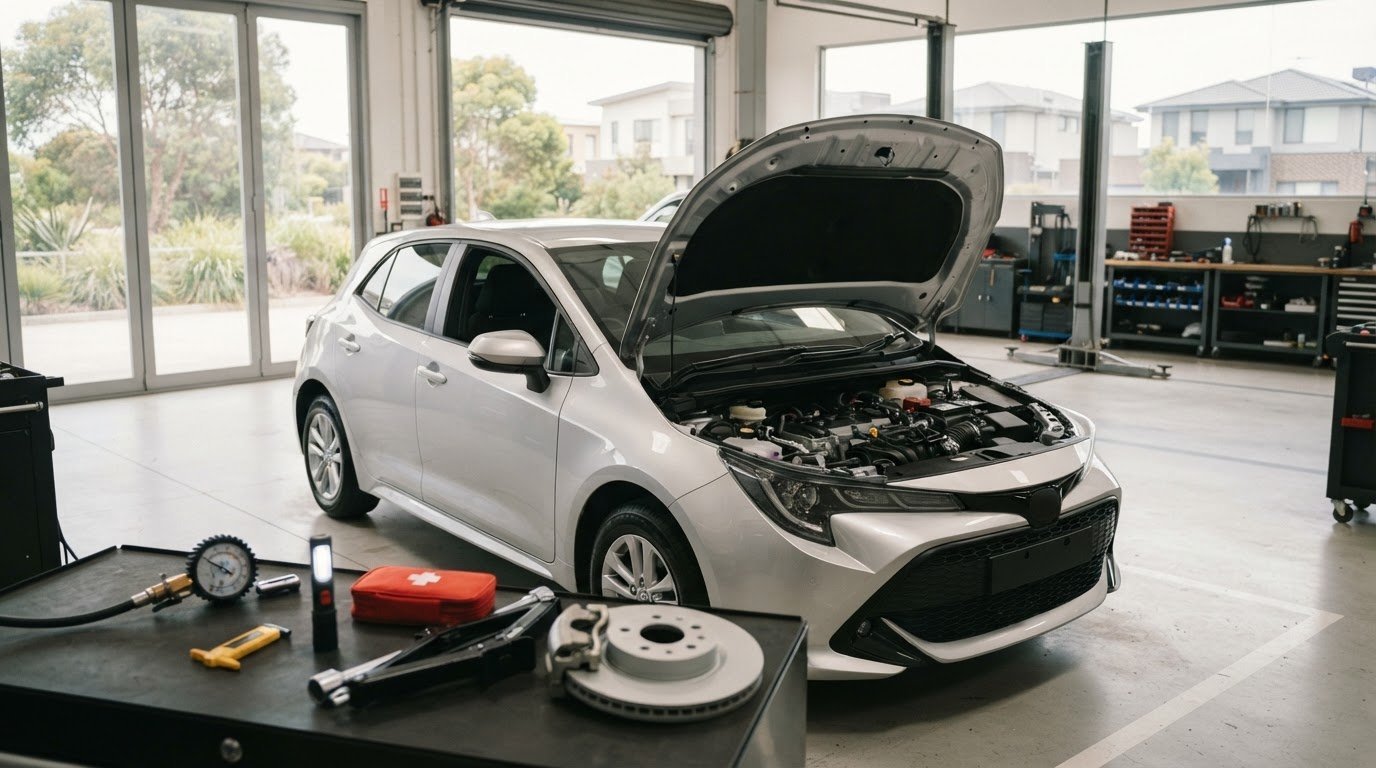
For Australian driving, keep a charged phone, torch, first-aid kit, drinking water, spare tyre and changing tools in your car. Know how to access roadside assistance and keep its contact details available offline. These items help you stay prepared while waiting safely for help.
A flat battery is a common cause of sudden breakdowns, so include it in your regular checks. Most 12-volt car batteries last around five to seven years, but age alone doesn’t show whether yours is healthy. Check it every 3 to 6 months, with driving conditions and climate in mind. Frequent short trips can leave less time for the alternator to recharge it.
Watch for changes before the battery fails. Slow cranking, difficulty starting, dim headlights or inconsistent electrical accessories can signal trouble. These symptoms can have other causes, so have the battery and charging system checked rather than assuming everything is fine. A battery or charging-system warning light needs prompt attention.
With the engine off, check the battery connections for loose clamps, corrosion or visible damage. Poor contact can interrupt the electrical supply. Don’t bridge the terminals with tools or handle a damaged battery. If a connection looks compromised, have the battery and charging system assessed together: a new battery won’t fix an underlying charging fault.
A voltmeter or power probe can help test battery voltage. A fully charged car battery should read about 12.6 volts or more. For a useful reading, follow the tester’s instructions and compare the result with the battery manufacturer’s guidance. A low reading may reflect a discharged battery, but testing the charging system can help distinguish that from a battery that no longer holds charge properly.
To support charge, turn off lights when they’re not needed and take regular drives, including longer-distance runs where practical. For conventional 12-volt batteries, driving for around 20 minutes regularly can help keep the battery charged. This isn’t a substitute for testing: repeated short trips, electrical faults or an ageing battery can still lead to a flat start.
Consider replacing a battery that is over three years old or shows signs of wear. Before fitting one, match its capacity to the vehicle’s requirements; the wrong capacity can cause starting or electrical problems. If the battery repeatedly loses charge, test it and the charging system before replacing parts. This helps identify whether the fault lies with the battery, its connections or the charging system.
2. Dashboard warning lights
A warning light signals that a system needs attention. Check the owner’s manual to identify the symbol and follow its instructions. A steady light and a flashing light can indicate different levels of urgency, so colour alone doesn’t tell the whole story. Note when the light appears, whether it stays on and whether engine performance changes.
An oil-pressure warning needs prompt attention because engine oil reduces friction and heat. If the light comes on while driving, stop in a safe place and switch off the engine. Check the oil level only when it’s safe, and follow the manual’s guidance. A low level or visible leak needs investigation. Continuing to drive with an oil-pressure warning can seriously damage the engine.
Oil-change timing varies with the vehicle, oil type and driving conditions. A general recommendation is every 5,000–10,000 kilometres, while some modern cars can go up to 15,000 kilometres between oil changes. Use the manufacturer’s schedule in the owner’s manual rather than applying one interval to every car. Record the distance and date at each service so you can see when the next change is due.
Other early warning signs include unusual noises, vibrations, fluid leaks and difficulty starting. Poor fuel efficiency or weak acceleration can point to faulty spark plugs. Note when a symptom occurs, such as during a cold start or under acceleration. A clear description helps a mechanic trace the problem and may prevent a developing fault from leaving you stranded.
Take overheating seriously. If an overheating warning appears while driving, pull over and let the engine cool. Don’t open a hot radiator cap: pressurised coolant can cause burns. Arrange to have the car checked as soon as possible, even if the warning disappears after cooling. Low coolant or a cooling-system leak can cause overheating, and continuing to drive may worsen engine damage.
Brakes also provide clear warning signs. Grinding sounds, vibration when braking or a soft pedal need immediate attention. A longer stopping distance or a change in pedal feel can also signal a problem. Reduce speed, leave extra space and avoid unnecessary driving if braking performance has changed. Brake inspections can identify worn pads before they affect rotors. For a vehicle that needs a different braking setup, explore brake upgrade options.
3. How Can Regular Car Services Help You Avoid Sudden Breakdowns?
Regular servicing gives a mechanic the chance to find developing faults before they cause a roadside stop. Most vehicles should be serviced every six months or according to the manufacturer’s recommendations. Follow the schedule in your owner’s manual: the right interval depends on your model, engine and driving conditions. A car driven infrequently still needs regular servicing. This routine is the foundation of car maintenance to avoid breakdowns.
Routine maintenance that helps prevent breakdowns includes checking fluids, tyres and basic vehicle systems every few weeks. Check fluid levels monthly or before long trips, with the engine cool and the car parked on level ground. Look for fresh drips beneath the vehicle, too. A small oil leak can worsen and damage the engine if left unattended. Note where a leak appears and whether the fluid level changes between checks.
For an oil check, use the dipstick and follow the steps in your manual. The manual also specifies the correct oil type, amount and change schedule. Oil-change intervals vary: guidance ranges from 5,000 to 7,500 kilometres for many cars, while some modern vehicles can go longer. Use the interval specified for your vehicle, not a schedule chosen for a different model. Record the service date and odometer reading to keep the schedule clear.
Engine oil gradually collects debris and particles, so regular changes help protect moving parts from friction and heat. A mechanic can also inspect the oil filter, air filter and visible leaks during servicing. Most manufacturers recommend replacing the engine air filter every 20,000 to 50,000 kilometres. Clean filters support airflow, while a clogged filter can affect engine performance. These checks make scheduled car maintenance to avoid breakdowns more complete than an oil change alone.
Coolant helps control engine temperature, and low levels may contribute to overheating. Check the reservoir only when the engine is cool, and use the coolant type specified in your manual. The recommended mixture is usually 50/50 coolant and distilled water, subject to the vehicle manual. Cooling-system flush intervals vary; guidance recommends every two to three years. Look for residue around hoses or the reservoir, which can indicate a leak.
In Australia, keep dated service-book entries, invoices and details of work completed, and follow the manufacturer’s schedule. These records help track maintenance and support warranty requirements. Routine servicing cost depends on the vehicle, service scope, parts and fluids required, and is given after a quote request.
Before an Australian road trip, check the engine oil, coolant, brake and washer fluids, tyre pressure and tyre condition. Test the lights, inspect the windscreen and wipers, and look for leaks or loose components. Check the spare tyre and changing tools, too. Alongside mechanical reliability, arranging professional car detailing services can also help protect exterior paintwork and interior finishes from long highway drives. These checks help prepare your vehicle for the trip, but don’t replace scheduled servicing or a mechanic’s inspection.

4. Why Tyre Maintenance Matters?
Tyres are the only parts of your vehicle that touch the road, so their condition affects grip, steering and braking. Flat tyres can contribute to vehicle breakdowns. Pressure can fall gradually, which is why regular checks are more useful than waiting for a warning light or an obvious change while driving.
Check tyre pressure monthly and before long trips, using a reliable gauge and the pressure specified in your owner’s manual or on the vehicle placard. Check when tyres are cold for a more consistent reading. Don’t use the maximum pressure printed on the tyre sidewall as your target. Correct inflation helps tyres perform as intended; underinflation can increase fuel consumption and place extra stress on tyre components.
Inspect all tyres monthly, including the inner and outer edges, where uneven wear can be easy to miss. Look for cuts, cracks, embedded objects, bulges or exposed cords. A bulging sidewall can indicate damage. If the vehicle pulls left or right, the steering feels heavy, or wear is concentrated on one edge, pressure, alignment or suspension problems may be involved. Arrange an inspection if you notice these signs.
Australian law sets the minimum tread depth at 1.5 millimetres across the entire tyre surface. For safer grip, especially in wet conditions, aim for at least 3 millimetres. Check tread across the width, not just the centre. A 20-cent coin can provide a quick visual check, but it doesn’t replace a proper tread-depth measurement when wear looks close to the limit.
Replace a tyre when its tread reaches the wear indicators or damage makes it unsafe to use. Don’t wait for a puncture or blowout to force the decision. If one tyre wears faster than the others, identify the cause before fitting a replacement: incorrect pressure, alignment or suspension issues can quickly affect the new tyre, too. A tyre can be repaired safely only when the damage and its position allow it.
Rotation helps distribute wear between tyres, but the correct pattern and timing depend on the vehicle, tyre setup and manufacturer’s guidance. Check the owner’s manual and include tyre wear in routine servicing. Unlike engine oil, tyre pressure can change between service visits, so monthly checks remain useful even when the vehicle is running smoothly.
Before a long drive, check tyre pressure, tread, sidewalls and the spare. Make sure the spare is inflated and road-legal, and that the tools to change a wheel are present. If your vehicle displays a tyre-pressure warning, check the pressure as soon as possible. These checks help catch developing problems before they interrupt your trip.
5. Brake inspections and servicing
Your brakes need to respond cleanly every time you press the pedal. A well-maintained braking system supports safe driving, while delaying brake servicing can increase stopping distances. In Australia, regular brake inspections are a practical way to identify wear before it develops into an unexpected problem on the road. Don’t wait for a dashboard warning or a sudden change in pedal feel.
Have the brakes checked every 20,000 kilometres or once a year, whichever comes first. During an inspection, worn pads, rotor condition and signs of damage can be assessed together. Worn brake pads can affect the rotors, so replacing pads promptly may help prevent further wear to connected components. The inspection should also consider how the vehicle behaves during braking, not just what is visible.
Pay attention to changes between scheduled checks. Grinding can mean components are making contact where they shouldn’t. Vibration through the pedal or steering wheel, or a soft brake pedal, can also signal that the brakes need immediate attention. Longer stopping distances or the vehicle pulling to one side while braking deserve prompt investigation. These aren’t normal changes to ignore.
Brake fluid is part of the hydraulic system that transfers force from the pedal to the brakes. Check the reservoir as directed in the owner’s manual, and look for a level below its marked range or signs of leakage. Don’t treat topping up as a fix for a falling level. A leak or fluid-related issue needs diagnosis because the pedal may not work as expected.
Notice when a symptom occurs. A vibration during gentle braking, for example, may feel different from grinding during a firm stop. Record the conditions and describe them during an inspection. Don’t test suspect brakes on public roads or continue a trip if stopping performance has changed. If the pedal feels soft or the brakes grind, arrange immediate attention.
During routine maintenance, have the pads, rotors, fluid condition and any visible leaks considered as parts of one system. Brakes work alongside tyres and suspension, so uneven braking or changes in vehicle control may call for a wider inspection. A cooling-system warning or low engine fluids is a separate issue, but it also needs prompt attention rather than dismissal as an unrelated dashboard alert.
For drivers whose needs call for a different braking setup, explore brake upgrade options. The key takeaway is simple: follow the 20,000-kilometre or yearly inspection interval, whichever comes first, and act promptly when sound, feel or stopping performance changes.
Veloce Tuning: Log Book Servcing
Veloce Tuning’s Log Book Servcing helps keep routine maintenance aligned with your vehicle’s manufacturer schedule. It’s a practical next step when a service is due or when you want a consistent record of scheduled care. Regular professional checks can identify developing issues before they become larger mechanical problems.
Bring your owner’s manual and service records so the maintenance history and upcoming requirements are clear. For businesses managing vehicles, Fleet Vehicle Management supports an organised approach to vehicle upkeep. The right service depends on your vehicle’s schedule and condition, so follow its specified maintenance intervals rather than relying on a one-size-fits-all routine.
Contact Veloce Tuning to discuss log book servicing for your vehicle.
Make your next drive a confident one
Effective car maintenance to avoid breakdowns comes from consistent decisions, not last-minute fixes. Set a reminder for your next scheduled service, keep vehicle records together and note any changes in how the car feels between visits. This gives you a clearer picture of its upkeep over time.
Veloce Tuning offers Log Book Servcing to help keep servicing on track. Fleet Vehicle Management supports businesses overseeing vehicle upkeep, while Suspension and Lift Kits suit drivers planning a change to their vehicle’s setup. Choose the service that matches your next step, whether you’re organising maintenance or discussing a specific vehicle requirement.
Good preparation helps keep the focus where it belongs: on the road ahead. Contact Veloce Tuning today to discuss your vehicle’s maintenance needs and take the next step with confidence.
Frequently Asked Questions
How Can Regular Car Services Help You Avoid Sudden Breakdowns?
Regular servicing gives a mechanic the chance to spot wear or faults that aren’t obvious during everyday driving. For example, an inspection may reveal a developing leak before it causes fluid loss or overheating. Keep a record of new noises, smells or performance changes to discuss at your next service. This routine is useful for drivers in Carrum Downs, Frankston, Patterson Lakes, Mornington, Skye, Seaford and Sandhurst.
What is the most important maintenance for a car?
Follow the vehicle manufacturer’s servicing schedule, because no single check protects every system. The schedule sets out maintenance suited to your car’s engine and components. Between services, watch for changes such as difficult starting, a new vibration or fluid beneath the vehicle. Note, for example, whether a noise occurs during braking or acceleration. A clear description helps narrow down what needs inspection.
Why Scheduled Servicing Matters?
Scheduled servicing gives maintenance a place in your routine, rather than leaving it until a symptom interrupts a trip. It also creates a record of completed work, helping you track recurring issues and upcoming tasks. Keep invoices and service-book entries together, and compare upcoming requirements with the owner’s manual. If your driving pattern changes, such as more short trips or heavy loads, mention it during servicing.
Why Small Problems Become Expensive?
A small fault can strain connected parts if left unresolved. For instance, an oil leak may gradually lower the oil level, while contaminated oil can contribute to engine wear. A developing cooling-system leak can also lead to overheating. Note fresh marks beneath the car, changes in fluid levels or a new smell. Diagnosing the cause early can prevent a minor issue from affecting other components.
Why Tyre Maintenance Matters?
Tyres affect how a vehicle grips the road, responds to steering and slows down. A slow puncture may not be obvious at first, so compare tyres for changes in shape or wear, especially before a long drive. If the car starts pulling to one side or the steering feels heavier, arrange an inspection rather than simply adjusting pressure. Uneven wear can point to an alignment or suspension issue that needs attention.
What engine oil, coolant and other fluid checks should drivers do?
Use the owner’s manual to identify each reservoir and the correct fluid for your vehicle. Check engine oil with the car level and the engine cool, then compare the dipstick reading with its marked range. Check coolant only when the engine is cool, and never open a hot cooling system. Watch for fluid levels that keep dropping or fresh leaks; topping up alone won’t resolve the underlying cause.
How can you check a car battery and when should it be replaced in Australia?
A voltmeter or power probe can measure a 12-volt battery, while a workshop test can assess its condition and charging system. A fully charged battery should read about 12.6 volts or more. Consider replacement if it’s over three years old or shows wear, and match the new battery’s capacity to the vehicle. Slow cranking or repeated flat starts are reasons to arrange testing, not just repeated jump-starts.
When should brake pads, brake fluid and brake components be inspected?
Have the brakes checked every 20,000 kilometres or once a year, whichever comes first. Ask for the pads, rotors, fluid condition and visible leaks to be assessed together. Grinding, vibration or a soft pedal calls for immediate attention rather than waiting for the next scheduled check. If the brake-fluid level falls, don’t treat topping it up as a repair; the cause needs to be identified.