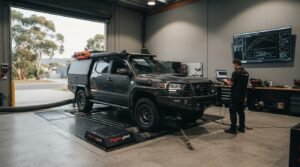
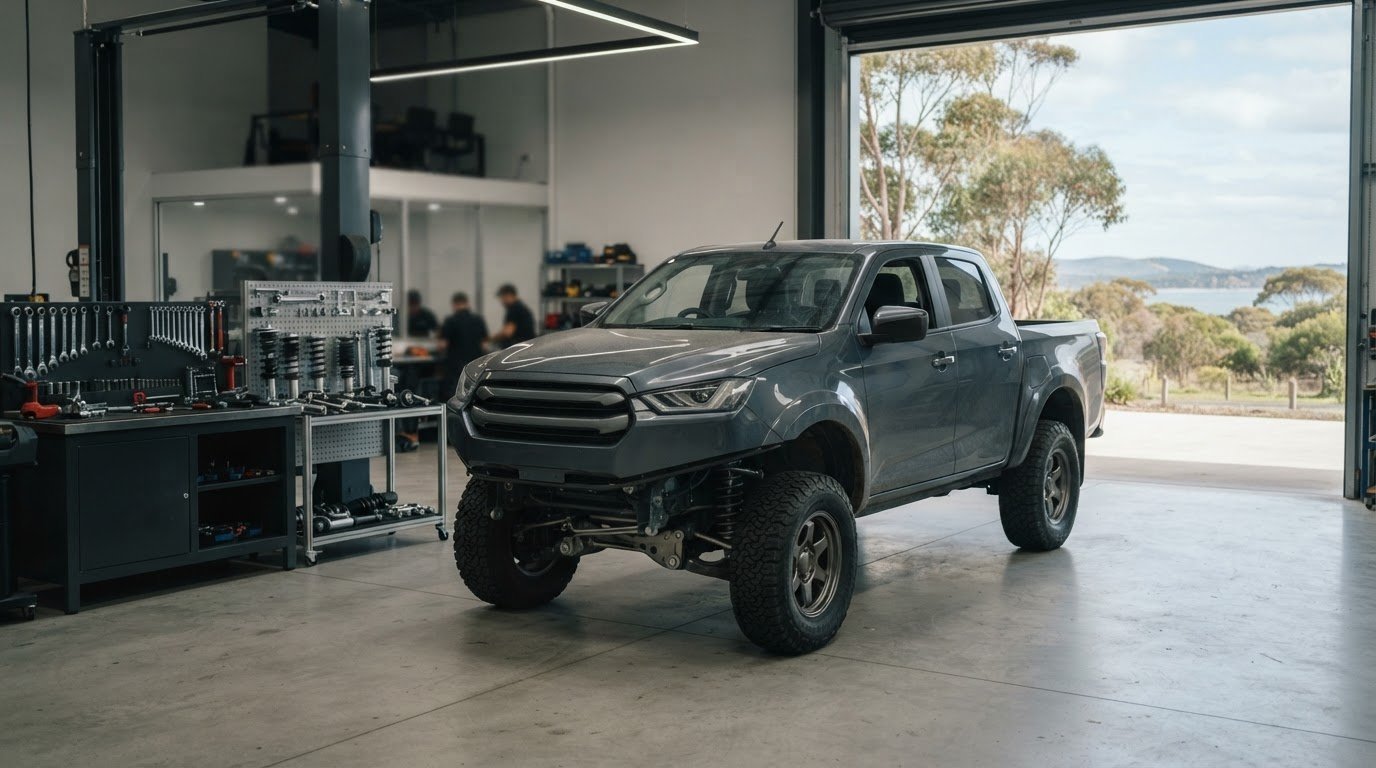
The right off-road suspension upgrades in Frankston depend on your vehicle, how you use it and the load it carries. A lift kit may suit a vehicle that needs extra clearance, while a GVM upgrade addresses the separate need to carry a heavier working load. Control arms and air suspension have distinct roles, so the best fit is not automatically the biggest change.
It is easy to focus on lift height, but suspension should work as a complete system, not just look the part. Your tyres, accessories, regular payload and driving conditions all shape the decision.
This guide explains how lift kits and GVM upgrades differ, what to consider when choosing control arms or air suspension, and how installation fits into the process. It also covers practical suspension checks and planning a visit to Veloce Tuning in Carrum Downs, serving drivers from Frankston and nearby areas.
Key Takeaways
- Match a lift kit to your vehicle’s clearance needs, and consider a GVM upgrade when carrying load is the priority.
- Choose suspension components around your vehicle, regular payload and driving conditions, not lift height alone.
- Learn how control arms and air suspension serve different purposes before deciding which setup suits your vehicle.
- Use signs such as unusual tyre wear, cornering difficulty or noises to recognise when suspension components may need attention.
- Compare workshop services and nearby coverage to find an installation option that fits your vehicle and location.
4WD lift kits and GVM upgrades
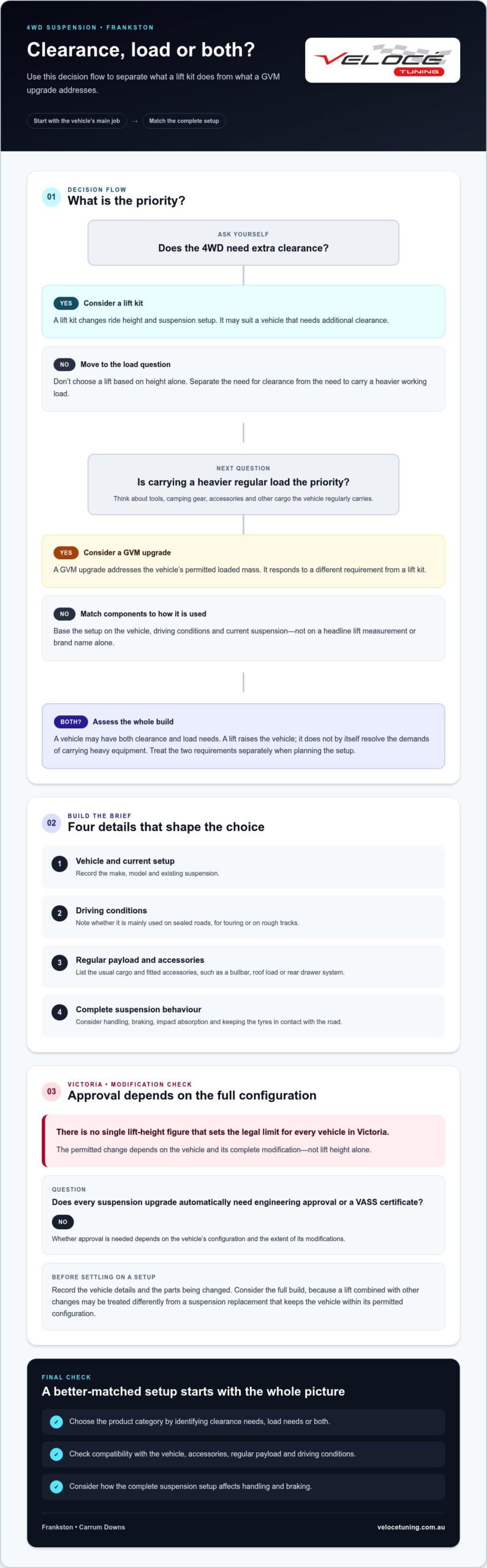
A lift kit changes a 4WD’s ride height and suspension setup; a GVM upgrade addresses its permitted loaded mass. Choose between them by identifying the vehicle’s main job: gaining clearance, carrying equipment, or combining both needs.
Lift height and Victorian requirements
There is no single lift-height figure that sets the legal limit for every vehicle in Victoria. The permitted change depends on the vehicle and its complete modification, not lift height alone.
Before choosing a kit, note the vehicle’s make, model, existing suspension and planned accessories. A touring 4WD with a bullbar, roof load and rear drawer system has different demands from a lightly equipped vehicle used for occasional tracks. Those details help define a suitable setup and whether its combined changes need assessment.
Engineering approval and VASS certification
Not every suspension upgrade automatically requires engineering approval or a VASS certificate. Whether approval is needed depends on the vehicle’s configuration and the extent of its modifications.
Consider the full build, not just the new springs or shocks. A lift combined with other changes may be treated differently from a suspension replacement that keeps the vehicle within its permitted configuration. Record the vehicle details and parts being changed before settling on a setup. This gives the assessment a clear starting point.
Risks of fitting a lift kit
A lift kit can alter how a 4WD sits and responds on the road. If the parts don’t suit the vehicle or its use, the result may include changed handling, compromised suspension operation or extra wear on related components.
For example, a touring vehicle with added accessories needs a setup suited to its load, not a choice based on ride height alone. Suspension also helps keep the wheels in contact with the road, absorb impacts and support braking. A poorly matched setup can therefore affect more than appearance or ground clearance.
Separate clearance from load capacity before comparing kits. A lift raises the vehicle; it doesn’t, by itself, resolve the demands of carrying heavy equipment. If a 4WD regularly carries tools, camping gear or other accessories, consider how its loaded mass affects the suspension decision. A GVM upgrade addresses a different requirement from a lift kit, so the two shouldn’t be treated as interchangeable.
Use this practical sequence to narrow the choice:
- Write down the vehicle’s usual driving conditions, such as sealed roads, touring or rough tracks.
- List the accessories and cargo it regularly carries.
- Identify whether the priority is additional clearance, load capacity or both.
- Consider the whole suspension setup, including its effect on handling and braking.
For off-road suspension upgrades in Frankston, start with the vehicle’s actual use and planned load. A suspension and lift kit should suit the complete build, not just a headline measurement. This helps you identify the right product category before considering fitment details.
Suspension product advice and installation
Choose parts as a matched system, not as isolated upgrades. Your vehicle type, driving conditions and current suspension condition all shape the right combination.
Comparing lifts, shocks and springs
A lift kit changes ride height and can provide extra clearance; springs support the vehicle, while shock absorbers damp spring movement. For rough tracks, consider how the complete setup handles impacts and maintains tyre contact. A touring vehicle with regular cargo has different demands from a lightly equipped 4WD. Compare the intended use and vehicle compatibility before choosing components.
Recommended suspension brands
There isn’t one suspension brand that suits every Frankston 4WD. A useful recommendation needs to match the vehicle’s make and model, existing suspension and intended driving conditions. For example, a vehicle used for touring and carrying accessories needs parts suited to that setup, rather than a choice based on brand recognition alone. Product compatibility should lead the decision.
Installation time and wheel alignment
Installation time depends on the vehicle, the components being fitted and the work involved. Replacing springs and shocks is different from fitting a complete lift kit with additional suspension parts. Wheel alignment is relevant after suspension changes because altered ride height can affect geometry. Whether alignment is included depends on the installation scope.
Before arranging an installation, note your vehicle details and the symptoms or changes you want addressed. Include its usual load, accessories and typical routes. A vehicle used on uneven tracks at weekends may need a different setup from one used mainly for commuting around Frankston. Clear details help narrow down the options.
A suspension check should look beyond the new parts. Springs, shock absorbers, bushes, tie-rod ends and ball joints can all affect how the system works. Wear, faults or damage in existing components may change what needs attention during installation. For example, fitting new shocks will not resolve a worn bush elsewhere in the suspension.
Use this sequence to compare options:
- Identify the vehicle and its current suspension setup.
- Describe the driving conditions and regular payload.
- Decide whether clearance, ride control or both are priorities.
- Confirm which components the installation covers, including wheel alignment.
After installation, pay attention to handling, braking and unusual noises. Suspension helps keep all four wheels in contact with the road, absorb impacts and support braking. If the vehicle leans forward under braking, feels difficult to corner or develops unusual tyre wear, these signs can help identify a suspension concern.
Control arms and air suspension
Control arms and air suspension address different parts of a vehicle’s suspension setup. Control arms help locate the wheels, while air suspension uses air springs instead of conventional coil springs. They are not either-or options: each has a distinct role, and a vehicle may use both.
What control arms do
A control arm connects the wheel assembly to the vehicle’s chassis and guides wheel movement as the suspension travels. Its bushes and joints allow controlled movement while helping keep wheel position stable. On a 4WD, wear or damage can affect alignment, handling and tyre wear. A knock over bumps or uneven tyre wear can prompt an inspection, but neither symptom identifies the control arm as the cause by itself.
Lifted vehicles also need attention to suspension geometry. Changing ride height changes the position and working angles of suspension components. A suitable control arm can help address geometry on some setups, but the right choice depends on the vehicle and its existing suspension. Treat the arm, bushes, joints and related components as one system rather than choosing a part by appearance alone.
How air suspension differs
Air suspension replaces conventional springs with air springs, allowing the suspension to be adjusted by changing air pressure. That adjustability can suit a vehicle whose load varies, such as a 4WD used for both daily driving and touring. Its behaviour depends on the vehicle’s design and the installed system, so it isn’t automatically the best option for every off-road setup.
Before considering air suspension, note the vehicle’s usual load, how often that load changes and the driving conditions. A vehicle carrying the same equipment every day has different needs from one alternating between an unloaded commute and a packed touring trip. Choose suspension for the conditions you actually encounter.
Use these checks to focus your decision:
- Describe any clunks, changes in handling or unusual tyre wear.
- Record whether the vehicle’s load stays consistent or changes regularly.
- Identify whether you’re addressing worn components, changing suspension geometry or adapting to variable load.
- Review how proposed parts work with the vehicle’s current setup.
A suspension inspection should assess relevant components for wear, faults and damage. Control arms, bushes and joints deserve attention alongside springs and shock absorbers. If a component is worn, replacing it may be more appropriate than switching to a different suspension type.
For a lifted vehicle, component compatibility matters as much as the parts themselves. Consider how the selected control arms work with the existing suspension geometry and whether the air system suits the vehicle’s intended use. Clear answers help distinguish a targeted repair from a broader suspension change. The right combination is the one matched to the vehicle, its load and how it is driven.
Nearby suburbs served
For an inspection or quote near Frankston, look to Carrum Downs, where the workshop is based. Its location makes Carrum Downs a practical starting point for Frankston drivers planning suspension work. Before setting out, arrange your visit and have the vehicle details ready. That helps keep the discussion focused on your 4WD and its needs.
“Nearby suburbs served” can mean different things: a workshop’s physical location, the places its customers travel from, or a wider service area. Here, Carrum Downs is the specific location to use when planning a workshop visit. Frankston is the local area relevant to this article. Don’t assume every nearby suburb has mobile service or a separate workshop location.
Before travelling from Frankston, note your vehicle’s make, model and year. Add a short description of the work you are considering, such as a suspension inspection or lift kit installation. If the vehicle has existing modifications, write them down. These details give the workshop a useful starting point and keep the discussion specific to your vehicle.
Use this preparation list before arranging a visit from Frankston:
- Record the vehicle’s make, model and year.
- Describe symptoms, such as unusual tyre wear or noises near a wheel.
- List suspension changes already fitted to the vehicle.
- Note its usual load and typical driving conditions.
- State whether you want an inspection, product advice or a quote.
For example, a Frankston driver seeking a lift kit quote can explain whether the 4WD carries regular touring equipment. A driver reporting a knock can describe when it occurs, such as over bumps or while cornering. Clear examples help distinguish a product enquiry from a concern that needs inspection. They also make it easier to discuss the next step.
Plan your visit around the work being discussed. A conversation about a lift kit can focus on vehicle details and intended use, while an inspection assesses suspension components. Describe the issue and your goal when arranging the visit, so the team has a clearer picture before you arrive in Carrum Downs.
When comparing local options, separate location from capability. Check that the workshop’s services suit your vehicle and the suspension work you have in mind. If your vehicle has existing modifications, mention them early. A clear record of the setup helps keep advice relevant, whether you need an inspection or are considering a suspension change.
Keep the key details together on your phone or in a note: vehicle information, symptoms, existing modifications and the reason for your enquiry. With those points ready, you can make a focused enquiry and plan your trip from Frankston to Veloce Tuning in Carrum Downs around the work required.
Which Frankston workshops specialise in off-road suspension upgrades?
A specialist workshop should understand how suspension changes affect a 4WD’s full setup. For Frankston drivers, Carrum Downs is a nearby workshop location for discussing suspension work. The right conversation starts with your vehicle, its current components and the conditions you drive in, not a lift-height target alone.
Look for a clear process that connects the requested change to the vehicle’s use. A touring 4WD carrying accessories needs different advice from a vehicle used mainly for daily driving and occasional tracks. The workshop discussion should cover vehicle details, existing modifications, typical load and the reason for the upgrade. Those details help define the work required.
Suspension work also requires considering how components operate together. Springs support the vehicle, while shock absorbers control spring movement. Bushes, joints and control arms influence how the suspension moves and holds wheel position. If you report a clunk or uneven tyre wear, explain when it happens to give the inspection useful context.
Use these points to prepare for a suspension enquiry from the Frankston area:
- Write down the vehicle’s make, model and existing suspension changes.
- Describe whether you mainly drive on sealed roads, tracks or both.
- List the accessories and equipment the vehicle regularly carries.
- Explain your goal, such as extra clearance or improved suitability for touring.
- Note symptoms such as cornering difficulty, noises or unusual tyre wear.
Choose a service suited to the task. A suspension inspection focuses on component condition; a lift-kit installation involves selecting compatible parts and fitting them to the vehicle. If you are planning a broader build, explain the changes together. This connects the advice to the full setup rather than one component in isolation.
Frankston drivers should also consider how suspension work relates to braking and handling. Suspension helps maintain tyre contact with the road, absorb impacts and support braking. A vehicle that leans forward under braking or feels unsettled through a corner may need an assessment before parts are chosen. Describe what you notice rather than assuming a particular component is at fault.
For a useful first discussion, bring your vehicle information and a concise description of its use. Include the load it carries and any symptoms you’ve noticed. This gives a workshop in the Carrum Downs area a practical starting point for discussing the next step. To begin, make a suspension enquiry with those details ready.
Veloce Tuning: Log Book Servicing
Veloce Tuning in Carrum Downs can help if you are weighing suspension changes or planning ongoing vehicle maintenance. Its Suspension and Lift Kits service is suited to discussing a setup for your vehicle and driving needs. Log Book Servicing supports routine maintenance, while Fleet Servicing addresses business vehicle needs. Custom ECU Tuning is also available for drivers considering broader performance work.
Bring your vehicle details, current modifications and intended use to the conversation. For example, note whether your 4WD carries touring equipment or regularly travels off-road. That context helps frame the discussion around the work you are considering.
To discuss your vehicle’s next step, contact Veloce Tuning or visit velocetuning.com.au.
Set up your next drive with purpose
Turn your plans into a vehicle-specific brief. For off-road suspension upgrades in Frankston, note how you use your vehicle, what it carries and what you want the setup to do. This gives the suspension discussion a clear starting point, whether your priority is touring, work or weekend tracks.
Think beyond the upgrade itself. A business vehicle may need ongoing attention through Fleet Servicing, while Log Book Servicing supports scheduled maintenance. For suspension changes, focus on parts suited to your vehicle and intended use. Veloce Tuning offers Suspension and Lift Kits as part of its automotive services.
Make your next move with the details that matter to you, then contact Veloce Tuning about your suspension. A considered setup can help you head into the next drive with greater clarity and confidence.
Frequently Asked Questions
How do I know which suspension product is right for my vehicle?
Start with your vehicle’s purpose, current setup and the change you want to make. For example, a work ute carrying tools has different demands from a touring 4WD loaded with camping gear. Note your vehicle model, accessories, usual load and the roads or tracks you drive. These details help narrow the choice between a lift kit, a suspension component replacement or another setup, and highlight what needs assessment first.
What types of suspension products do you sell?
Veloce Tuning offers Suspension and Lift Kits for vehicles needing a suspension upgrade. The right kit depends on your vehicle and intended use, so bring details such as its model, existing modifications and regular load to the discussion. If you have a specific component in mind, explain the goal, such as changing ride height or refreshing the current setup. Call Veloce Tuning to discuss your vehicle and plan a visit to Carrum Downs.
What off-road suspension upgrades are available for 4WDs in Frankston?
Options to consider include 4WD lift kits, GVM upgrades, control arms and air suspension. Each addresses a different need, so a product category alone doesn’t determine the right setup. For local drivers, Veloce Tuning is based in Carrum Downs and serves Frankston, Patterson Lakes, Mornington, Skye, Seaford and Sandhurst. Describe your 4WD and intended use to explore a suitable suspension or lift-kit direction.
How do I choose the right suspension setup for my vehicle, load and terrain?
Match the setup to the vehicle’s regular load and the terrain it actually encounters. A 4WD carrying a canopy, tools and touring gear needs different consideration from one that usually travels empty and sees occasional gravel roads. Make a list of permanent accessories, typical cargo and common driving conditions. Then discuss how those factors should shape the suspension choice, rather than selecting parts based only on appearance or lift height.