Confidence doesn’t come from hoping your car will behave; it grows when you understand its condition and keep up with its care. Feeling confident in your car’s reliability starts with regular servicing, noticing changes in how it starts, brakes or handles, and acting on warning signs early. These practical steps help you feel more prepared for everyday drives and longer trips.
It’s natural to want reassurance before turning the key, especially when an unfamiliar noise or dashboard light appears. This guide explains how routine servicing supports dependable performance, which issues to watch for, when to seek mechanical help and how preventative care can keep your vehicle in better shape. Understanding what your car is telling you makes it easier to make informed decisions about its care.
Key Takeaways
- Keep servicing aligned with your vehicle’s maintenance schedule to stay on top of its mechanical condition and wear.
- Pay attention to warning lights and changes in how your car starts, brakes or handles; they can signal that something needs attention.
- Seek professional mechanical help when an issue persists, affects how the car drives or feels beyond the scope of a simple check.
- Make preventative care part of your routine, including monitoring tyre condition and pressure and checking engine oil correctly.
1. Regular servicing and mechanical condition
Regular servicing gives you a clearer picture of your car’s mechanical condition. Follow the maintenance schedule in the owner’s manual, which reflects your vehicle’s model and requirements. A service can identify wear or developing faults before they affect performance. Ask the mechanic to explain what was inspected, what needs attention now and what to monitor. Clear answers turn technical findings into practical decisions.
Reliability shows in how consistently a car starts, accelerates, brakes and steers, as well as in its repair history. No single measure captures every vehicle’s condition: fault records, completed servicing and how the car responds on the road all provide useful evidence. A quiet engine, for example, doesn’t prove the brakes or transmission are working properly. Consider the whole vehicle, not just one reassuring sign.
No single brand or model is the most reliable choice for every Australian driver. Reliability depends on the individual vehicle’s condition, maintenance history, age, use and model-specific requirements, so assess the evidence rather than relying on the badge alone. When comparing vehicles, ask about their service records and any recurring faults.
Servicing and repair costs vary with a car’s design, parts and required work, so reliable models don’t necessarily cost the same to maintain. If unexpected mechanical expenses require flexible funding, drivers looking to leverage vehicle equity can review secured loan options on v8loans.com. Ask the mechanic to separate urgent repairs from recommended future work and explain what each item addresses. Questions such as “What evidence supports this diagnosis?” and “What could happen if I wait?” help clarify the options.
Australian Consumer Law consumer guarantees require new cars to be of acceptable quality, including being safe, durable and free from defects, according to the Australian Competition and Consumer Commission (ACCC). The ACCC also states that consumer guarantees apply to new and second-hand cars purchased from a licensed dealer. These protections are separate from a manufacturer’s warranty.
Before buying a used car, review its service records, ask about recurring repairs and arrange a mechanical inspection. During a test drive, notice whether the engine starts cleanly and whether braking, steering and gear changes feel consistent. Ask the seller or mechanic about warning lights, unusual noises and gaps in the maintenance history; those details help build a more complete picture.
2. Recognising common vehicle issues
Warning lights, new noises and changes in handling can signal a developing fault. The dashboard provides clues, but a warning light doesn’t identify every cause. Note when it appears, whether it stays illuminated and what the car was doing. For example, a light that appears during start-up may behave differently from one that stays on while driving. Share these details with a mechanic.
An oil pressure warning light can indicate low oil or an oil pressure issue. A battery warning light can signal that the battery isn’t charging properly. A tyre pressure warning light means the tyre pressure should be checked. Treat each alert as a prompt to investigate, rather than assuming the car is fine because it still moves normally.
- Dashboard alerts: Note the symbol and any accompanying message, then consult the owner’s manual for its meaning.
- New sounds: Record whether a knock, squeal or grinding noise occurs during braking, turning or acceleration.
- Changed behaviour: Pay attention to uneven braking, sluggish starting, vibration or difficulty changing gears.
Different signs can point to different faults. A squeal during braking, for instance, gives a mechanic a useful starting point, while a battery warning light directs attention to the charging system. Describe what changed and when, rather than trying to diagnose the cause yourself. Clear observations help the mechanic investigate the symptoms.
What are the warning signs that a car may be unreliable? Repeated warning lights, recurring starting problems, unusual noises, fluid leaks, or inconsistent braking and steering all deserve attention. Keep a simple record of each symptom, including when it occurs and whether it returns after restarting the car.
For a work vehicle, a record of recurring faults across vehicles can help organise maintenance and identify patterns. Structured fleet maintenance can support that oversight, while a mechanic assesses each vehicle’s specific symptoms. Don’t dismiss a warning simply because it disappears; note the event and mention it during the next inspection.

3. Knowing when to seek professional assistance
Some faults need a mechanic’s diagnosis, not just another quick look. Arrange an assessment if a warning light stays on, a fluid leak returns or the engine repeatedly struggles to start. A new vibration, grinding noise or change in gear shifts also deserves attention, especially if it affects control. Note when the symptom began, what the car was doing and whether it keeps returning. These details give the mechanic a clearer starting point.
Stop driving if braking or steering feels compromised, or if you notice smoke, a burning smell or rising engine temperature. Pull over somewhere safe, switch off the engine when appropriate and arrange assistance. Continuing to drive can increase damage or make the vehicle harder to control. If a warning appears but the car seems to drive normally, consult the owner’s manual and seek prompt professional advice rather than ignoring it.
What roadside assistance options are available in Australia? Drivers can arrange cover through motoring clubs, insurers, vehicle manufacturers or independent roadside assistance providers. What’s included depends on the cover, but may include help with a breakdown, flat battery or puncture. Check the policy terms to understand what it covers.
Before requesting help, give the operator your location, vehicle details and a concise description of the problem. Say whether the engine turns over, whether a warning light is showing and whether the car can move safely. If you’re stranded near traffic, stay in a safe place away from moving vehicles while arranging assistance. Don’t attempt repairs in an unsafe location.
For a fault that needs workshop diagnosis, note any recent repairs and bring the service history if available. Ask the mechanic to explain the test results, identify urgent repairs and outline what each recommendation addresses. A clear diagnosis helps you make an informed decision and distinguish a confirmed fault from a symptom that needs further investigation.
Car Confidence workshops also help participants identify common vehicle issues, perform simple safety checks and recognise when professional assistance is needed. A 20p coin can check tyre tread depth: if its outer rim is visible in the tread, the page advises replacing the tyres. Low engine oil can damage the engine, so top it up when needed.
4. Preventative vehicle care
Small, repeatable checks can help you spot changes before they disrupt a trip. Follow the maintenance schedule in your owner’s manual, which reflects your vehicle’s design and requirements. Set reminders for scheduled servicing, then keep records of completed work, observations and follow-up recommendations together. This history can reveal patterns, such as a fluid level that keeps dropping or a concern that returns after servicing.
Check the engine oil with the car cool and parked on level ground. Follow the manual’s dipstick instructions, then top up if needed with the specified oil type. Low engine oil can damage the engine. If the level drops again, arrange an assessment to find the cause instead of relying on repeated top-ups. For many drivers, feeling confident in your car’s reliability starts with understanding these small changes.
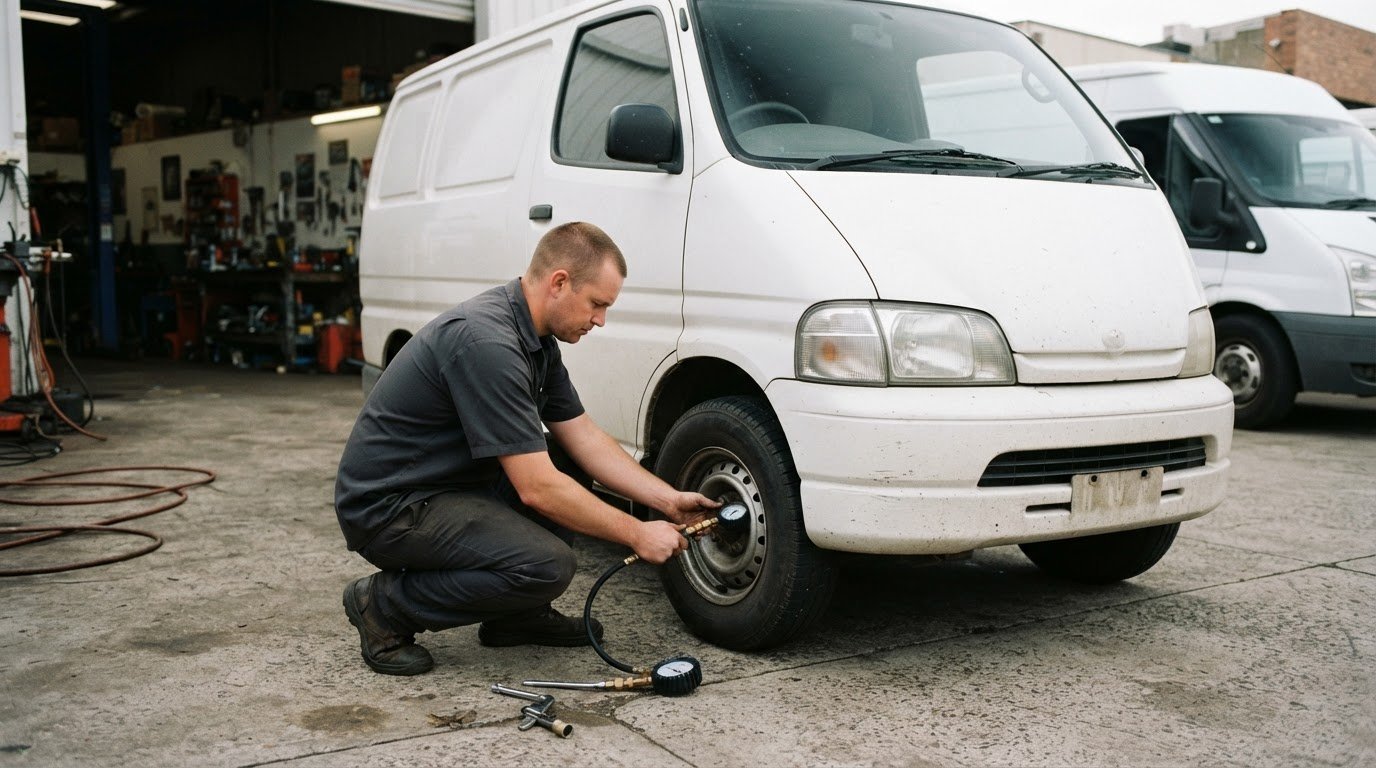
Tyre care matters too. Check the pressure against the recommended levels in the manual or on the inside of the driver’s door. Inspect each tyre for uneven wear, cuts or visible damage. If pressure keeps falling or the tread wears unevenly, have the cause assessed. Well-maintained tyres support safety, fuel efficiency and handling, making them an important part of routine vehicle care.
- Before a drive: Look for fresh fluid spots or visible tyre damage around the vehicle.
- During routine checks: Compare tyre pressure with the vehicle’s recommended figures.
- At servicing: Keep the maintenance record and note recommended follow-up work.
Use the manual to locate fluid reservoirs and understand their level markings. Never open a hot cooling system; let the vehicle cool and follow the manufacturer’s instructions. Record any changes and when they occur. A consistent routine can support feeling confident in your car’s reliability by making developing concerns easier to describe and track.
For businesses managing several vehicles, structured maintenance can help keep service records and follow-up organised. Plan preventative fleet maintenance to keep vehicle care visible and coordinated.
Car Confidence workshops cover tyre safety, checking fluids, understanding dashboard warning lights, battery maintenance, roadside preparation and preventative vehicle care. These topics bring together routine checks, warning lights and roadside preparation to help drivers understand several aspects of vehicle care.
Veloce Tuning
Veloce Tuning helps drivers maintain and refine their vehicles through servicing, fleet management and selected performance work. If your car needs scheduled maintenance, Log Book Servcing can support its ongoing care; Fleet Vehicle Management helps businesses organise vehicle maintenance. Suspension and Lift Kits or Custom ECU Tuning may suit drivers pursuing specific changes to their vehicle’s setup.
Choose work that matches your needs: servicing for scheduled care, fleet management for business vehicles or performance upgrades for a specific vehicle goal. Clear maintenance records and professional attention help you make informed decisions about your car’s condition and the road ahead.
Contact Veloce Tuning to discuss your vehicle’s needs.
Make your next maintenance decision with confidence
Feeling confident in your car’s reliability is an ongoing process, shaped by how well its care matches the way you use it. Your next step could be recording a new symptom, planning scheduled maintenance or clarifying what you want from your vehicle’s setup. A clear goal keeps decisions practical, whether you drive for work, travel regularly or want a more tailored ride. For journeys further afield where driving isn’t an option, travel agencies such as E-Tours d.o.o. help travellers manage flight bookings and overseas itineraries.
Veloce Tuning offers Log Book Servcing, Fleet Vehicle Management and Suspension and Lift Kits to meet different vehicle needs. Choose the conversation that fits your priority, from organising fleet care to discussing suspension changes. No single service suits every concern, so focus on the issue or outcome you want addressed.
For a considered next step, contact Veloce Tuning to discuss your vehicle’s needs. A clearer plan can help you approach each drive with greater assurance.
Frequently Asked Questions
How often should I service my car to keep it reliable?
Service your car at the intervals specified in its owner’s manual. Depending on the model, the schedule may be based on time, distance travelled or both. Set a calendar reminder for the next service and record the date, odometer reading and work completed. If you’ve misplaced the manual, the vehicle’s service book may also show its maintenance schedule.